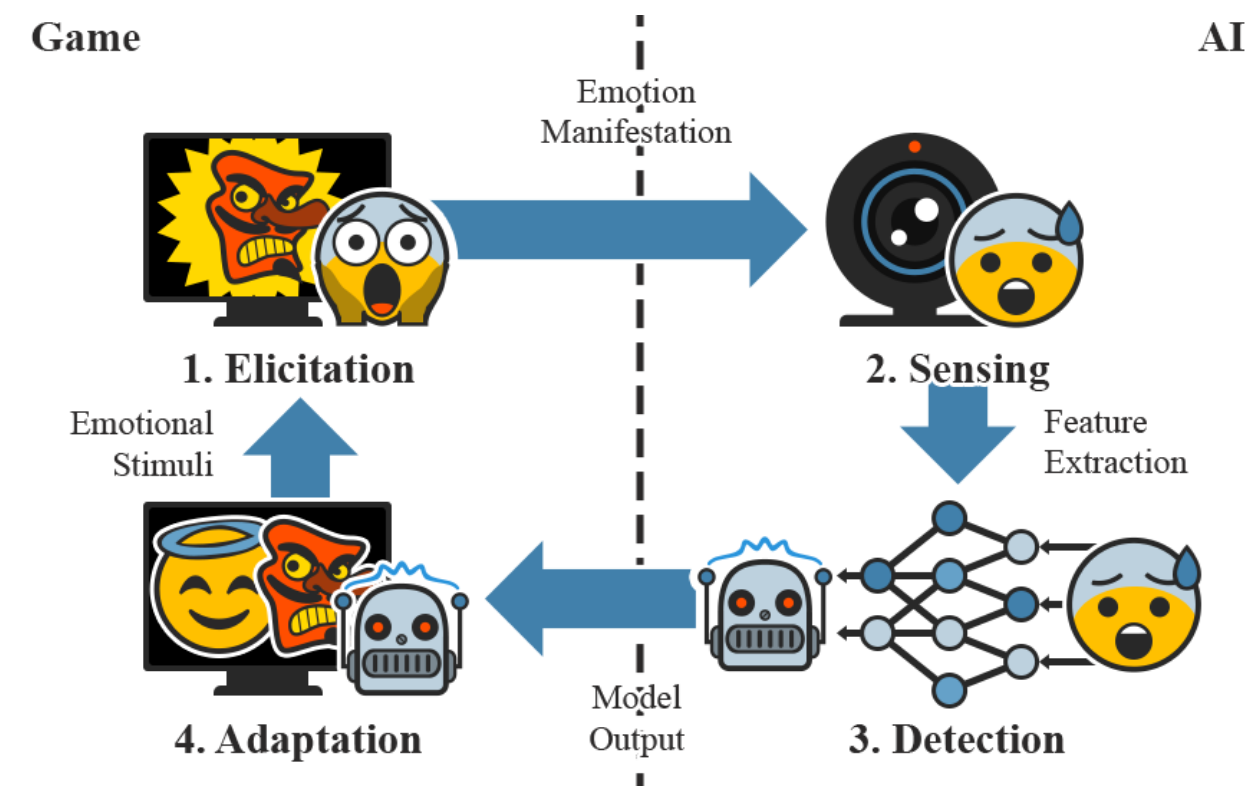
There's a lot of overlap between the approach to ethics described in this paper (17 page PDF) and my own approach. The authors describe an approach they lable 'sensing ethics', drawing from Varela to say "our ability to sense a situation and react appropriately 'is so immediate, not only do we not see it, we do not see that we do not see it'." What they call 'sensing' I call 'recognition'. Thus we agree when we say "since sensing is embodied, it cannot be neutral as it is always tainted with educators' unconscious bias and interwoven with politics of power" (though I would say it is interwoven with much more than just this). I'd want to have a longer discussion to make the finer points in this paper a lot more precise. The authors break down 'sensing' into 'sayings', 'doings' and 'relatings', hich to me is a pointless taxonomy. Similarly, I have complaints about the three examples they offer. But the overall statement is correct, in my view: "by framing sensing ethics as a practice rather than an abstract concept, we highlight its temporal, relational, and contextually embedded nature within the educational landscapes of postdigital future classrooms." Image: Melhart, et al., The Ethics of AI in Games.
Today: Total: [] [Share]