Learning brains
Ben Williamson,
Code Acts in Education,
Jul 17, 2025
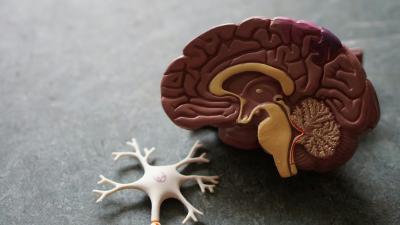
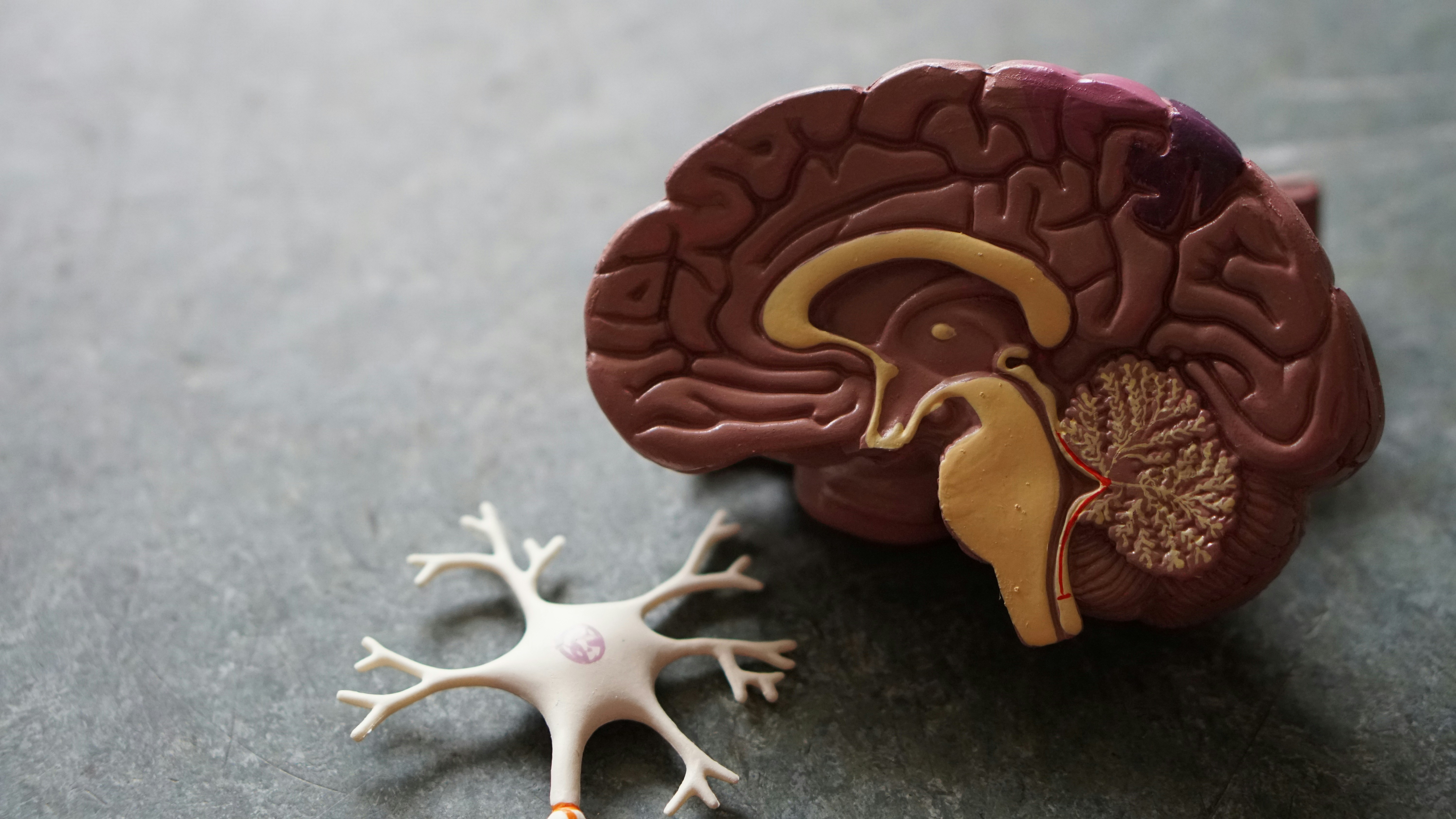
Ben Williamson interprets the recent article titled Your brain on ChatGPT (covered here) from the perspective of a recent work of his own, Learning brains: educational neuroscience, neurotechnology and neuropedagogy. Both are worthy of a read (maybe start with this blog post then read the more formal article). The Learning Brain "is being conceived in terms of 'brain facts' that are assembled out of neural information through highly-data-intensive and computational methods... the scientific setup of investigation - the instruments used, the institutional priorities underpinning the study, the types of information collected - all play a part in constituting the findings, and in how the learning brain is rendered as authoritative scientific knowledge in published results, findings and presentations." Williamson and colleagues Jessica Pykett and Dimitra Kotouza identify four types of Learning Brains - a plastic learning brain, a synchronized learning brain, an attentive learning brain, and a computational learning brain, with the suggestion that there may be other characterizations.
Today: Total: [] [Share]