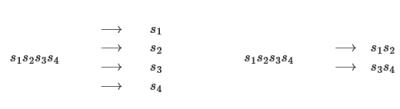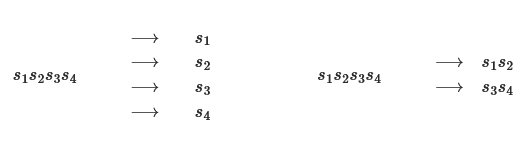
This article dives into the weeds but raises an important issue always worth keeping in mind. "There's an attractive view in social ontology on which a group is identical to its members," begins the paper, but "whether something counts as 'one of' a plurality turns on how that plurality is carved up." We say a wall may be composed of bricks, but how those bricks are organized matters. We may say a group is composed of people, but how those people participate matters. Even identical properties render differently depending on how individuals are counted: compare "Two of the players are Québécois" with "Two of the teams are Québécois."
Today: Total: [] [Share]