Building Europe’s Public AI Stack
Felix Sieker,
reframe[Tech],
Jan 26, 2026
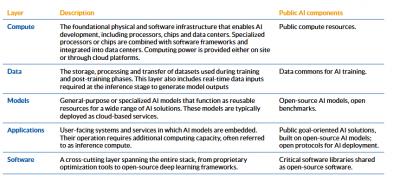
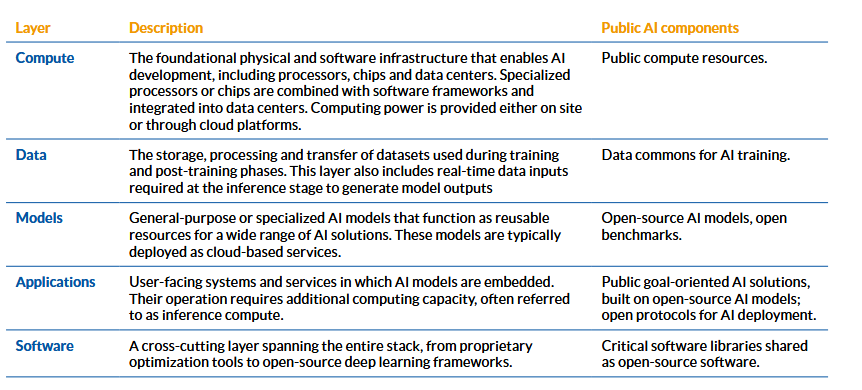
There's a lot of discussion happening in the European Union about how to respond to what is emerging as a dependency on foreign infrastructure (most notably from the U.S.) in AI. "If Europe is vulnerable because it rents key infrastructure from American giants, then the answer must be to grow some giants of its own. It's part of the motive behind EuroStack." I'm not sure how this will evolve in practice, but there seems to be a consensus around something like a 'public stack' (12 page PDF) (which includes a Diamond ERA of open access knowledge resources). "The key question is not whether Europe can win an abstract 'AI race', but what kind of AI infrastructure it wants to rely on – and who that infrastructure should serve." This takes form in some of the practical advice being offered to ministries and schools. "Focus on four practical ideas. First, portability... visible queue service-level agreements and commitments so coursework runs when needed. Third, energy awareness... Finally, transparent data governance: a Gaia-X style labeling system can show whether a tool keeps student data in-region, supports audits by data protection officers, and manages copyrighted material appropriately."
Today: Total: [] [Share]