Why are human networks important? Part one
Valdis Krebs,
RSU,
Oct 03, 2025
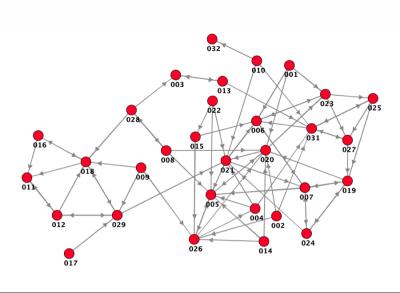
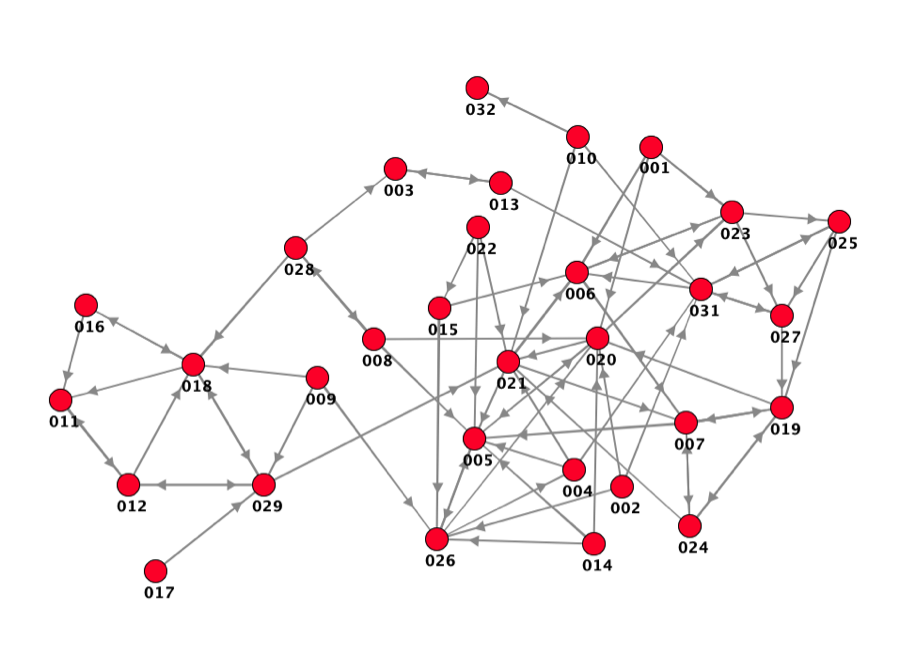
Long-time OLDaily readers will be familiar with the concepts outlined in this three part series (Part 1, Part 2, Part 3) by Valdis Krebs on human relationship networks. He summarizes "why human networks matter and how social network analysis can help us understand them. Then he shows how data and visualizations can help us understand them. Finally, he looks at relationships between different types of nodes (for example, people and documents). For my own part (and here this is me speaking, not Krebs), I look at the analogy between social networks, as described by Krebs, and neural networks, including artificial neural networks. I think the same underlying logic is at play in all three, which means that societies (understood as social networks) can 'know' in the same way brains and computers can 'know'. Note that you can't simply extract social knowledge through things like exit interviews (the way Mark Sheppard suggests here). It is literally the structure of a society or organization. Via Mark Oehlert.
Today: Total: [] [Share]