Adventures in data literacy: When the gap you were trying to identify turns out to be a chasm
Meg Miller, Grace O'Hanlon, Hafizat Sanni-Anibire,
IASSIST Quarterly,
2025/09/30
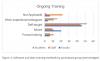
It's not a big study (32 page PDF) so don't jump to any quick conclusions, but some of the comments from interviewees are memorable. For example: "Knowledge mobilization activities is a term that doesn't make sense outside of your group. I can't answer this because [...] I don't even know what the hell you're asking" and "Words have meaning, stop trying to make yourself sound better with flowery language. Science is not the place for storytellers." These comments point to just one hurdle in an effort to make research more accessible. "Websites or social media or podcasts is that they are far less valued in the publish-or-perish model, aren't as valuable for promotion, tenure, or grant success." And "Ongoing training in these tools is usually self-directed, with original exposure in a class, workshop put on by libraries, or other formal training environment."
Web: [Direct Link] [This Post][Share]
Swiss voters narrowly approve plan to introduce digital IDs
Imogen Foulkes,
BBC News,
2025/09/30

Another incremental step in the direction of digital IDs (and hence, digital credentials). "Supporters of the Swiss system say it will make life much easier for everyone, allowing a range of bureaucratic procedures - from getting a telephone contract to proving you are old enough to buy a bottle of wine - to happen quickly online."
Web: [Direct Link] [This Post][Share]
Learning to debate is an important facet of education, but too often public school students are left out
Aayush Gandhi,
The Hechinger Report,
2025/09/30

I was educated in a small rural high school, but I recognize on reflection the efforts the school took to provide us with the same oppoertunities as the rich kids at Ottawa's private schools. Consequently, we students met ourcounterparts at Ashbury and others in a variety of events, including model Parliament, Commonwealth and United Nations, science fairs, and of course, public speaking and debating. These all brought out the best in me because they took us out of our small private world of classes and textbooks and exposed us to people of different backgrounds, abilities and cultures. These days I am from time to time asked to judge computer and data competitions for schools, and I see a preponderance of private schools represented. It's unfortunate, and to my mind these events should receive public support only to the extent they extend the opportunity to public schools.
Web: [Direct Link] [This Post][Share]
Back to the Future? What could system reform of higher education look like?
HEPI,
2025/09/30

"Universities must move beyond the limitations of their legacy models, expanding their roles within national and localised ecosystems," writes Mike Boxall. This includes (quoted): lifelong and continuous learning and professional development for all adults; cumulative and personalised learning attainments; variety and choice of accessible pathways through different modes of provision; and funding and economic structures based on the value and benefits of different modes of learning provision. I'm in broad agreement, though what these look like in detail would require discussion, especially regarding the funding provisions (charging people subscription fees for learning and development is like throwing sand into the gears of social and economic growth).
Web: [Direct Link] [This Post][Share]
There are many ways to read OLDaily; pick whatever works best for you:
- Read in your web browser on this web page, updated weekdays
- Receive a daily or weekly email newsletter by subscribing here
- Subscribe to the RSS feed using your favourite feed reader
- Follow @OLDaily@mastodon.social on Mastodon or elsewhere in the fediverse
- Follow @OLDaily on Bluesky
- Read OLDaily as a LinkedIn Newsletter
- Integrate the open API using the JSON feed
This newsletter is sent only at the request of subscribers. If you would like to unsubscribe, Click here.
Know a friend who might enjoy this newsletter? Feel free to forward OLDaily to your colleagues. If you received this issue from a friend and would like a free subscription of your own, you can join our mailing list. Click here to subscribe.
Copyright 2025 Stephen Downes Contact: stephen@downes.ca
This work is licensed under a Creative Commons License.