
Nov 24, 2010
In his presentation during week 10 of PLENK2010, Seb Fiedler challenged us to develop a concept of autonomy more precise than vague ascriptions of capacities of learners to choose their own course materials and subjects. It was a good criticism and led to worthwhile reflection around the topic.
Fiedler provided us with a model meta-structure, as follows:

This was helpful, but made it difficult to grasp where the autonomy came into the picture. It also seemed to centre autonomny on the person, or the individual, which Fiedler and others suggested is a limitation of the conception of autonomy we are employing. Quite so.
That said, a proper model of autonomy will reflect a proper theory of decision-making or theory of action in general. So it should at least reflect the range of factors that go into decision and action. At the very least, even a simple model like this

is more helpful than an unprincipled classification of autonomy into different categories such as found here.
Here is the outline of a much more comprehensive and useful model of autonomy:
Now there are many examples of models of autonomy in the literature that approximate the desciptive power and utility of the model given above.
For example, this is a pretty good model:

Also, this isn't bad, because it at least tries to account for the actual decision-making process:

However I'm not sure how far I'd want to go in incorporating vague (so far as causal efficacy goes) factors as 'gender' or 'learning style'
Here's another pretty good model that again identifies factors in the entire process of decision-making:

The idea of a model like this is that you can now make statements about autonomy. Specifically:
Given factors A and capacity B, decisions of type C have effect D
or
Provide capacity B, because in case A it is needed for behavior C to have effect D
Ie., the conceptual model that I've provided here would be used to create statements about function, thus generating a functional (or 'flow chart') model. The realization of these functions in physical systems would create the mechanical model. See, for example:

Here's a pretty good functional model that incorporates many of the dimensions of autonomy described above.
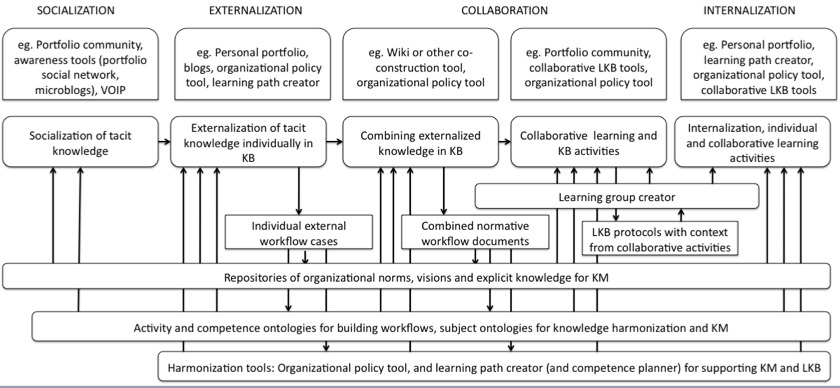
Here's another functional model.
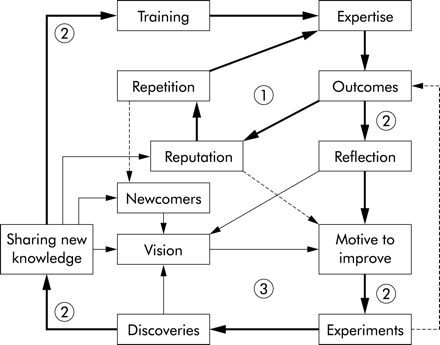
But notice how simple (even childish!) it appears, with muddled and unclear depictions of decision and action.
The purpose of a model or a diagram is to make the concept clearer. But creators of models do not have free reign to simply associate elements at random. As we see in the case of modelling autonomy, the model needs to support the set of inferences and processes related to the phenomenon we want to describe. That requires effectively analyzing the phenomenon, and making decisions regarding classifications and categories based on their functional, mechanical and conceptual role, not just convenience and intuition.
Fiedler provided us with a model meta-structure, as follows:
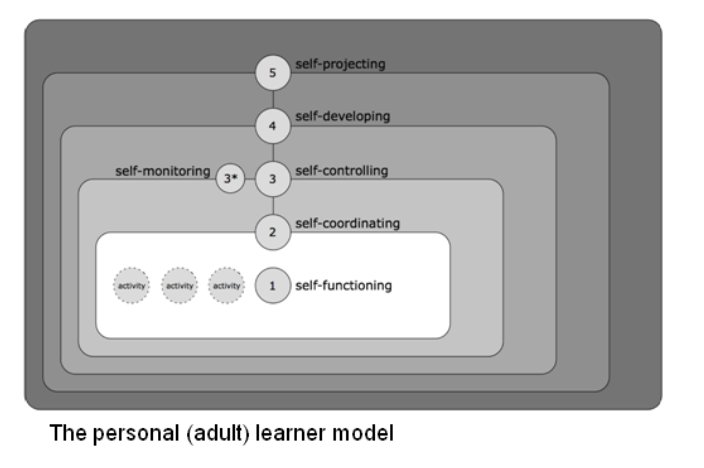
This was helpful, but made it difficult to grasp where the autonomy came into the picture. It also seemed to centre autonomny on the person, or the individual, which Fiedler and others suggested is a limitation of the conception of autonomy we are employing. Quite so.
That said, a proper model of autonomy will reflect a proper theory of decision-making or theory of action in general. So it should at least reflect the range of factors that go into decision and action. At the very least, even a simple model like this
is more helpful than an unprincipled classification of autonomy into different categories such as found here.
Here is the outline of a much more comprehensive and useful model of autonomy:
A - Factors affecting epistemic states
   - empirical factors
        - external
                - past experience and memory
                - current experience
        - internal
                - emotional state
                - pain and suffering, etc
                - fear
        - psychological
                - traumas
                - phobias
                - philias or needs
   - cognitive factors
        - world view or belief set
               - frames or traces - recognition of ranges of alternatives
               - metaphors or underlying models
               - causation, spirit, or other mechanisms
               - morality, sense of agency, responsibility
        - reasoning mechanism (if any), including:
               - logical capacities (including modal, probabilistic)
               - mathematical capacities
               - degree of certainty attained, required
        - language - languages learned, vocabulary
   - external factors
        - rewards and incentives
                - financial
                - intrinsic or non-financial
        - punishments, sanctions and threats
        - expectations
                - professional standards
                - organizational vision or strategy

B - Capacity to act on epistemic states
      - physical factors
            - mobility and location
            - perceptual (can you see, is there light?)
            - effective (can you project into the environment - do the buttons respond, do the pages turn, etc)
            - physical support - housing, health, nutrition, etc
            - time
      - social factors
            - laws, rules and regulations, including flexibility of these
            - peer pressure, mores, threat of sanctions
            - mode of collaboration - authoritarian, democratic, consensus, deliberative, etc
                     - leadership - capacities, temprement, inclinations, etc
            - responsibility or authority
      - structural factors
            - predictability of the environment
            - complexity of the environment
            - barriers, locks, detours, traps, loops - eg. http://tihane.files.wordpress.com/2010/01/motivationalbarriers_seci.jpg
      - resources
            - range and depth of resources available
                  - medium of resources - staff, money, equipment
                  - language and complexity of resources
                  - quantity of resources (eg., finances)
            - mode of presentation of those resources
                  - sequence of presentation
                  - duration of presentation

C - Scope and Range of Autonomous Behaviour
       - expression
            - medium of expression
            - language of expression, word use
       - association and assembly
            - definition of size, scope of social network
            - directionality of communications
       - selection
            - of associates - can you choose your friends? Family?
            - communication options - do channels exist? Can they be open?
            - of tools, eg., of software, hardware
            - resource allocation - spending, delegating, assigning, etc
       - method
            - operating principle, methodology, pedagogy
       - background - influence over environmental factors generally, including:
            - noise or music
            - colour scheme or visual appearance
            - lighting, air supply, mobility
        - range
            - tolerance - allowed range of results or effects
            - quantity of choices available
            - quality of choices available (cf. Hobson's choice)


D - Effects of Autonomous Behaviour
       - impact (ie., the degree or scope of the effect)
              - audience - range of persons affected by behavior
              - efficacy - amount of change potentially caused by behaviour
       - improvement (ie., the nature of the effect)
              - internal
                       - psychological - satisfaction, lessening of pain, lessening of fear, etc
                       - cognitive - beliefs formed, knowledge acquired
              - external
                       - material condition, employment, etc
                       - capacities, rights, autonomy, etc
              - associative - improvements ascribed to others
              - social - improvements to society generally
Now there are many examples of models of autonomy in the literature that approximate the desciptive power and utility of the model given above.
For example, this is a pretty good model:
Also, this isn't bad, because it at least tries to account for the actual decision-making process:
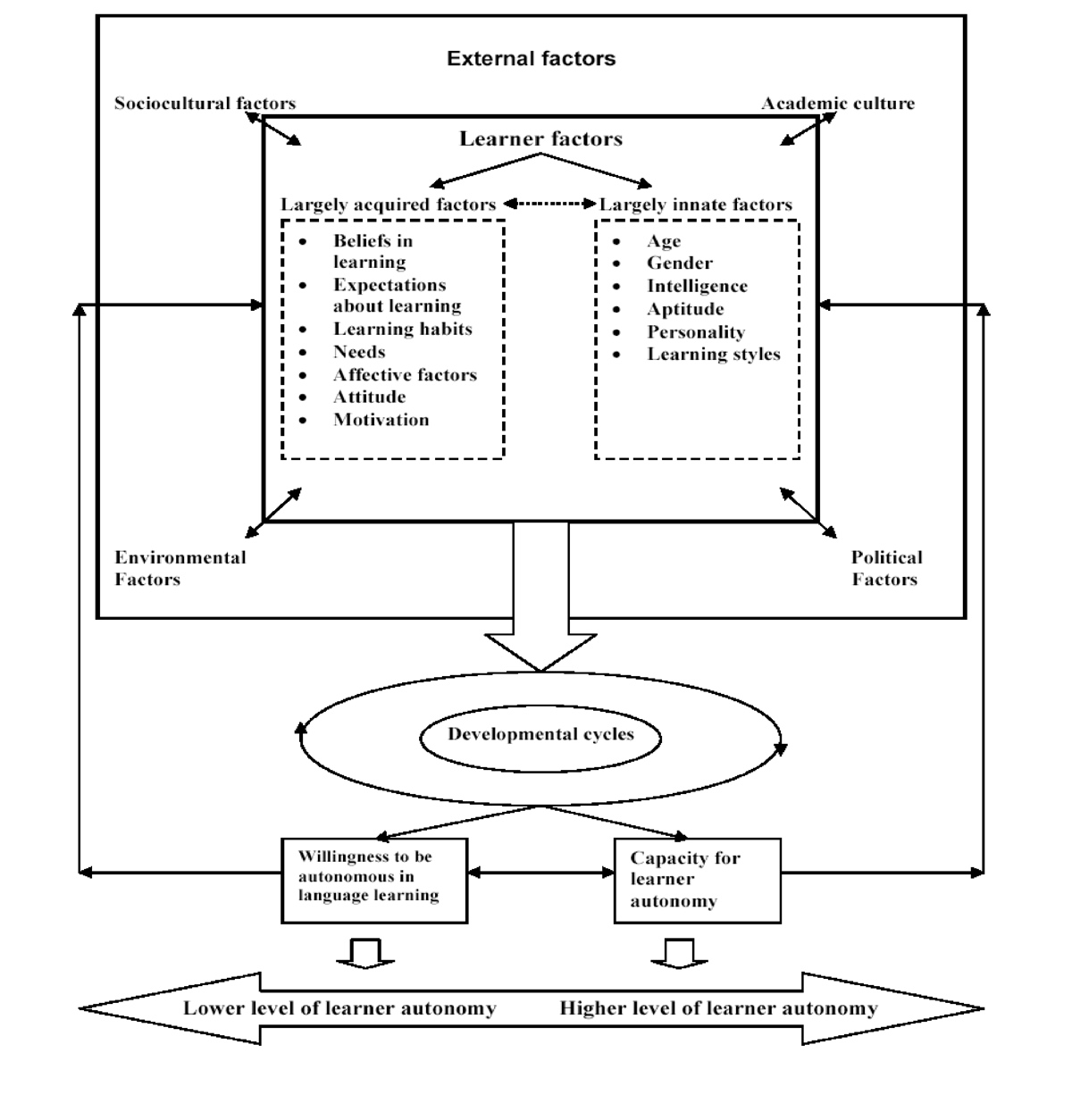
However I'm not sure how far I'd want to go in incorporating vague (so far as causal efficacy goes) factors as 'gender' or 'learning style'
Here's another pretty good model that again identifies factors in the entire process of decision-making:
The idea of a model like this is that you can now make statements about autonomy. Specifically:
Given factors A and capacity B, decisions of type C have effect D
or
Provide capacity B, because in case A it is needed for behavior C to have effect D
Ie., the conceptual model that I've provided here would be used to create statements about function, thus generating a functional (or 'flow chart') model. The realization of these functions in physical systems would create the mechanical model. See, for example:
Here's a pretty good functional model that incorporates many of the dimensions of autonomy described above.
Here's another functional model.
But notice how simple (even childish!) it appears, with muddled and unclear depictions of decision and action.
The purpose of a model or a diagram is to make the concept clearer. But creators of models do not have free reign to simply associate elements at random. As we see in the case of modelling autonomy, the model needs to support the set of inferences and processes related to the phenomenon we want to describe. That requires effectively analyzing the phenomenon, and making decisions regarding classifications and categories based on their functional, mechanical and conceptual role, not just convenience and intuition.